Safeguard Your Home: Important Services Available from Professional Roofing Contractors
Expert roofing specialists fulfill a critical purpose in preserving the structural soundness of residential properties. They offer skills spanning detailed assessments to urgent repair work, ensuring roofs remain in ideal condition. Routine maintenance services, such as gutter cleaning, aid in avoiding serious damage. Recognizing when a new roof is necessary can save homeowners from costly damages. Yet, not all roofing contractors are created equal. What factors should one consider when choosing the right professional for their needs?
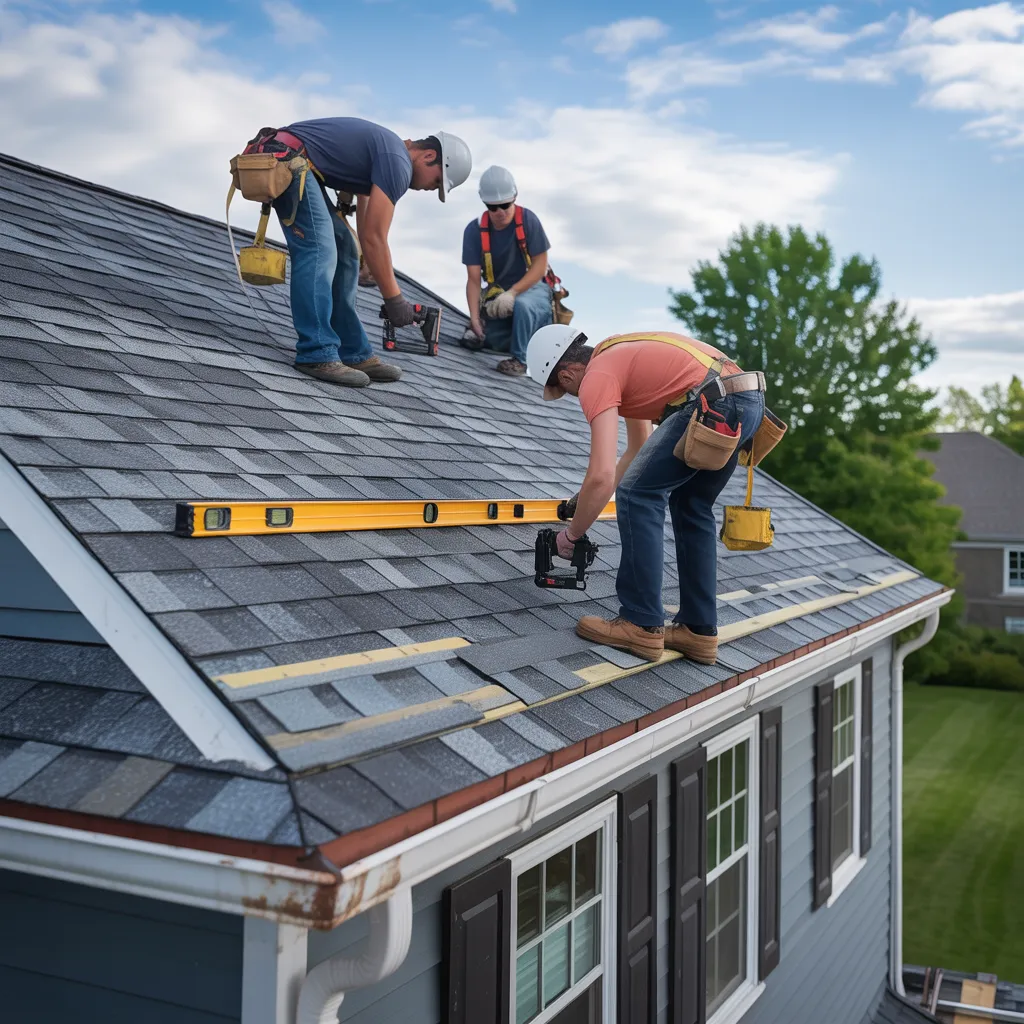
Why Roof Inspections Are Important
Roof inspections function as a critical protection measure for homeowners, helping them recognize potential issues before they turn into major expenses. Periodic inspections assist in detecting deterioration and damage, leaks, and harm inflicted by environmental factors or infestations. By tackling these problems promptly, homeowners can extend the lifespan of their roofs, providing a safer and more enjoyable living space.
Moreover, roof inspections have the potential to boost property value, as potential buyers frequently look for homes with properly maintained roofs. Professional roofing contractors possess the expertise to assess the roof's condition accurately, supplying property owners with thorough reports and expert recommendations. This procedure not only facilitates timely repairs but also plays a role in long-term planning for roof upkeep and replacement.
How to Deal With Emergency Roofing Repairs
Unforeseen roofing problems can occur at any moment, necessitating immediate attention to prevent further damage. Homeowners should first assess the situation by identifying the source of the problem, like roof leaks or absent shingles. Safety must be the top priority; should the damage present potential hazards, it is recommended to refrain from mounting the roof. Instead, using a ladder to inspect from a safe distance can provide valuable insights without compromising safety.
After the problem has been detected, homeowners should document the damage with photographs for insurance purposes. Reaching out to a qualified roofing specialist is critical for immediate repair work, as they are equipped with the knowledge and tools needed for effective solutions. Temporary measures, such as covering leaks with protective tarping, can reduce additional harm until a skilled specialist is on site. Timely communication with the contractor regarding the urgency of the situation ensures that the work is treated as a priority, protecting the home from further deterioration.
Premier Maintenance Services for Your Roof
Routine maintenance is critical for preserving the lifespan and efficiency of any roofing system. Experienced roofing specialists provide a range of maintenance solutions aimed at safeguarding and improving the reliability of roofing structures. One key service is routine inspections, which identify potential issues early, preventing costly repairs. Furthermore, the clearing of debris is essential; leaves, twigs, and sediment can lead to water accumulation and deterioration.
Service providers also offer gutter clearing services, ensuring proper water drainage and decreasing the chances of water damage. Sealing and caulking are essential for blocking moisture intrusion at dive in joints and seams, while consistent care of flashing can defend against weather-related damage. Additionally, moss and algae management sustains the roof's appearance and structural strength. By utilizing these maintenance solutions, homeowners can markedly extend the lifespan of their roofs, ultimately protecting their investment and enhancing overall home safety.
When Is It Time to Replace Your Roof?
When should homeowners think about replacing their roof? Homeowners ought to think about replacing their roof once noticeable signs of deterioration start to appear. Frequent signs to watch for include missing shingles, substantial granule loss, or moisture stains on inside ceilings. Furthermore, when a roof is close to reaching the end of its projected lifespan—commonly 20 to 25 years for asphalt shingles—it is advisable to start making arrangements for a replacement.
Another critical factor is the frequency of repairs; should ongoing upkeep be unavoidable, it may suggest that the roof has reached the end of its serviceable life. Moreover, problems with energy consumption, like escalating climate control costs, could signal that the roof's insulation and materials are breaking down. By evaluating these signs, residents can determine the best course of action, ensuring their investment in a new roof enhances the overall safety and value of their property.
Specialized Roofing Solutions for Multiple Materials
Once the decision for a roof replacement has been made, homeowners ought to explore the range of materials that can address their unique requirements. Skilled roofing professionals provide customized options that include a range of materials like asphalt shingles, metal, tile, and slate. Each material presents distinct advantages; for instance, asphalt shingles are cost-effective and easy to install, while metal roofs provide durability and energy efficiency.
Tile roofs are renowned for their aesthetic appeal and long lifespan, making them suitable for warmer climates. Slate, despite being costlier, delivers exceptional longevity and a one-of-a-kind aesthetic. Contractors assess factors like climate, home style, and budget to recommend the most appropriate material.
Selecting the Best Roofing Contractor
Selecting the most suitable roofing contractor is essential for guaranteeing a smooth roofing project. Property owners should begin by seeking recommendations from trusted contacts or digital review platforms to locate trustworthy contractors. It's essential to verify credentials, including insurance and licenses, to ensure compliance with area guidelines and guard against liability.
In addition, obtaining several estimates allows for knowledgeable evaluations of services and pricing provided. Residents should question contractors about warranty coverage, covering both materials and labor, as these can indicate the contractor's trust in their services. Moreover, a dependable service provider will offer a thorough written proposal, describing the materials and scope of work involved.
Finally, communication is key; a skilled contractor needs to be reachable and prepared to tackle any questions. By adhering to these recommendations, homeowners are able to choose a roofing professional that fulfills their requirements, guaranteeing a durable and effective roofing solution.
Frequently Asked Questions
How Can You Tell If Your Roof Is in Poor Condition?
Signs of a roof in poor condition include damaged shingles, staining, water infiltration, structural sagging, and granule deterioration. Property owners might additionally observe water damage marks on ceilings and walls, pointing to underlying concerns that demand urgent assessment from a qualified specialist.
How Much Time Does a Roof Installation Usually Take?
A roof installation typically takes one to three days, depending on the size and complexity of the project. Both weather conditions and the chosen roofing material may considerably impact the overall schedule.
Do Roofing Materials Have Environmental Benefits?
Numerous roofing materials, such as certain shingle types, slate, and recycled metal, can be sustainable choices. These options often minimize waste and lower energy consumption, advancing sustainability in construction while boosting overall home efficiency.
What Warranties Are Typically Provided on Roofing Services?
Usually, roofing services offer warranties ranging from 10 to 50 years, covering workmanship and materials. Such warranties guarantee protection against defects and provide homeowners assurance regarding the lasting quality of their roof installations.
What Financing Solutions Are Available for My Roofing Project?
Property owners can fund roofing projects through personal loans, home equity lines of credit, or specialized contractor financing options. Examining different lenders and contrasting interest rates helps them identify the most fitting financing solution for their requirements.