Optimize Energy Efficiency With Roof Skylights: Spend Less While Transforming Your Home
Roof skylights offer a viable approach for homeowners seeking to enhance energy efficiency. By capturing daylight, they can considerably decrease power expenses and elevate the comfort of living spaces. Additionally, skylights help create a warmer and welcoming environment, suiting a wide range of architectural designs. However, identifying the ideal model and ensuring proper installation are critical for achieving optimal results. Understanding these factors can result in well-informed choices that revolutionize a residence's energy performance. What aspects should residents consider?
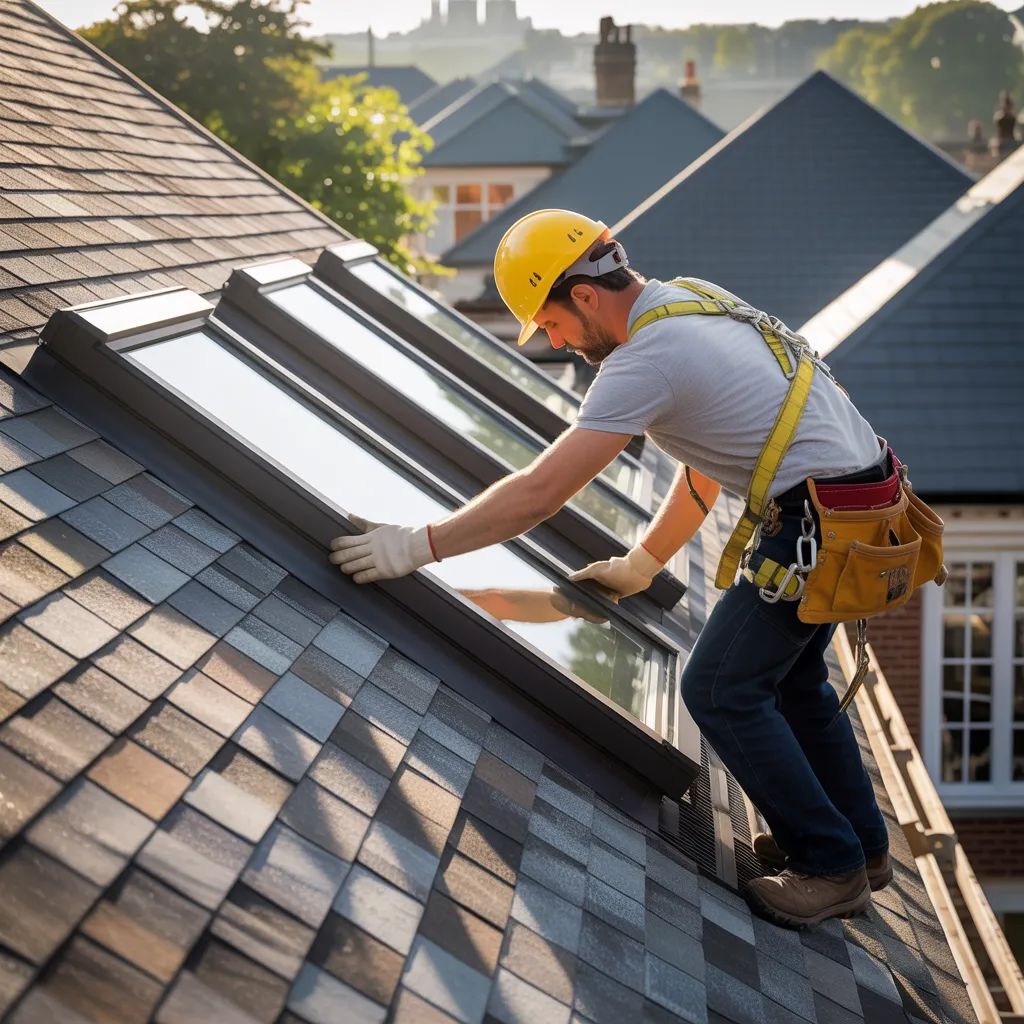
How Roof Skylights Enhance Energy Efficiency and Cut Your Costs
Roof skylights revolutionize spaces by capturing natural light, significantly boosting energy efficiency. By permitting sunlight to filter deeper into a living space, skylights decrease the need for artificial lighting during daylight hours. This natural light source not only illuminates interiors more effectively but also results in decreased electricity consumption. Moreover, most modern skylights incorporate energy-efficient glazing that prevents heat loss in winter and controls heat gain in summer. This quality supports the maintenance of a steady indoor temperature, consequently lowering the demand for heating and cooling systems. Consequently, homeowners may notice a considerable decrease in their energy bills. Moreover, strategically placed skylights can improve ventilation, promoting airflow and reducing humidity levels, which can also lead to energy savings. In summary, the addition of roof skylights serves as a worthwhile investment in improving energy efficiency within residential properties.
Skylights: Lower Energy Bills and Improved Comfort
Skylights illuminate interiors while at the same time cutting energy bills and boosting comfort. By permitting natural light to fill indoor spaces, skylights reduce reliance on artificial lighting, leading to reduced electricity usage. This not only contributes to lower energy bills but also promotes a healthier living environment, as natural light is known to enhance mood and productivity.
Furthermore, skylights can enhance heat management when installed correctly. Today's designs often feature dual-pane glass and heat-reflective coatings, which reduce heat loss during winter months and reduce heat gain during warmer seasons. This balancing of indoor temperatures ensures a comfortable atmosphere across all seasons, additionally reducing reliance on HVAC systems.
With energy efficiency growing increasingly vital for homeowners, skylights offer a highly practical solution. By harnessing the sun's energy, skylights serve as a dual-purpose feature—promoting both cost savings and a more inviting living space.
The Visual Charm of Roof Skylights
Although improving energy efficiency is a notable advantage, the visual appeal of skylights is equally important. Such architectural additions reshape environments by bathing them in natural light, creating an inviting atmosphere that artificial lighting often fails to replicate. The shifting of sunlight during daylight hours brings a lively character to indoor spaces, drawing attention to textures and color tones.
Moreover, skylights can work as breathtaking focal points, enhancing the complete design of a room. They deliver unobstructed views of the sky and nearby landscape, making spaces feel more expansive and connected to nature. Multiple designs and sizes empower homeowners to customize skylights to their individual aesthetic choices, whether modern or traditional.
In the end, the incorporation of skylights not only improves overall energy performance but also elevates the aesthetic appeal of a home, fostering a more comfortable living space.
How to Choose the Right Roof Skylights for Your Home
Selecting the appropriate skylights for your roof entails understanding the different varieties on the market and their specific benefits. Furthermore, proper installation and regular maintenance are critical for maximizing energy performance and long-term durability. This discussion will assist property owners in navigating these essential considerations.
Varieties of Roof Skylights
Selecting the suitable roof skylight type can greatly enhance both the visual appeal and energy performance of a property. There are a number of types of skylights to explore. Fixed skylights, which do not open, are excellent for optimizing natural light intake without ventilation requirements. Ventilated skylights allow for airflow, helping to reduce indoor moisture levels and improve air quality. Solar tube skylights are small and highly effective, channeling light from the roof to inside spaces, making them suitable for tighter spaces. Considering materials, skylights made of glass often explore this provide better insulation compared to plastic options, while low-emissivity coatings can enhance energy efficiency. At the end of the day, picking the right option depends on personal requirements, building design, and particular energy efficiency objectives.
Setup and Upkeep Recommendations
Adding roof skylights can significantly improve a home's natural lighting and energy performance, but careful consideration is vital for ideal results. Homeowners should initially assess the roof's framework to confirm it can accommodate the skylight fitting. Choosing the right type—fixed, vented, or tubular—depends on the desired light, ventilation, and aesthetic appeal. Proper placement is essential; ideally, skylights should be installed where they can capture maximum sunlight without obstructing views or compromising privacy.
Routine maintenance is equally essential. Homeowners should inspect seals and flashing for leaks, wipe down the glass to ensure optimal clarity, and remove any buildup that might hinder light transmission. By applying these best practices, residents can maximize the advantages of their skylights while promoting long-term reliability and functionality.
How to Set Up Your Skylights: Key Steps and Useful Tips
Setting up skylights demands careful consideration of placement and the right equipment for the project. Selecting an optimal spot provides maximum natural light and energy efficiency, while keeping critical installation tools on hand simplifies the process. This section will outline the essential steps and tips for a successful skylight installation.
Finding The Right Location
What is the ideal placement for skylights to maximize natural light and energy efficiency? The best placement demands careful consideration of the building's orientation and the sun's movement. South-facing skylights capture the most sunlight, making them perfect for passive heating. On the other hand, north-facing skylights deliver steady, diffused light without significant heat gain, making them suitable for areas that need illumination without glare. It's crucial to avoid areas where obstructions like trees or neighboring buildings may block sunlight. Additionally, placing skylights in high-traffic areas such as kitchens and living rooms enhances natural lighting and improves ambiance. Finally, considering the roof pitch and structure guarantees proper water drainage and reduces leakage risks. Thoughtful location selection will greatly contribute to energy efficiency and overall home comfort.
Critical Installation Tools
Preparing oneself with the right tools is crucial for a seamless skylight installation. A complete toolkit should include a tape measure for accurate measurements, a level to confirm proper alignment, and a utility knife for cutting roofing materials. Moreover, a drill with appropriate bits is required for securing the skylight firmly. Safety equipment, such as gloves and goggles, protects against potential hazards during installation. A caulking gun is critical for spreading sealant to prevent leaks, while a hammer and roofing nails ensure a solid installation. Having a helper can also streamline the process, making it more manageable to maneuver and install the skylight. With these vital tools, homeowners can accomplish a smooth and effective skylight installation, elevating their living spaces.
Key Maintenance Tips for Durable Skylights
Maintaining rooftop skylights is essential for securing their long-term performance and reliability. Periodic examinations should be carried out to spot any underlying concerns, such as leaks or cracks in the frame and glazing. Washing the skylights no fewer than two times per year is necessary; this involves employing a soft cloth alongside a mild detergent to clear away dirt and accumulated debris, which can block natural light and diminish visual appeal.
In addition, inspecting weatherseals and stripping helps prevent the infiltration of air and water, maintaining energy efficiency. It is recommended to prune any branches overhead that may pose a risk to skylights in stormy weather. It is also important to check and clear their gutters to prevent water buildup that could affect the skylight's structure. Lastly, consulting professionals for maintenance and repair requirements can extend the lifespan of the skylights, ensuring their continued contribution to the home's visual appeal and energy efficiency.

Questions We Often Receive
Do Skylights Increase Home Resale Value
Skylights may significantly improve a home's selling price by bringing in more natural light, enhancing the overall aesthetics, and drawing in energy-minded buyers. Their capacity to establish a more appealing living space regularly elevates the appeal of homes featuring skylights in the real estate market.
Can Skylights Reduce Reliance on Artificial Lighting?
Skylights can considerably reduce reliance on artificial lighting by allowing natural sunlight to illuminate indoor spaces. This enhances ambiance while likely decreasing energy bills, rendering homes more welcoming and environmentally friendly over time.
How Do Skylights Affect Indoor Temperature Fluctuations?
Skylights can help moderate indoor temperature fluctuations by supplying natural light and warmth. During sunny days, they permit solar heat gain, while overnight, they can dissipate stored heat, promoting a more balanced interior atmosphere.
Do Tax Incentives Exist for Skylight Installation?
Certainly, tax benefits for adding skylights to your home may exist, subject to local policies and green energy programs. Homeowners are advised to research available credits or rebates that promote energy-conscious home modifications, with skylight installations among them.
Can Skylights Enhance Indoor Air Quality?
Skylights are able to enhance indoor air quality by allowing natural ventilation and decreasing dependence on artificial lighting. This introduction of fresh air and sunlight serves to lower humidity and fosters a more healthful living space overall.